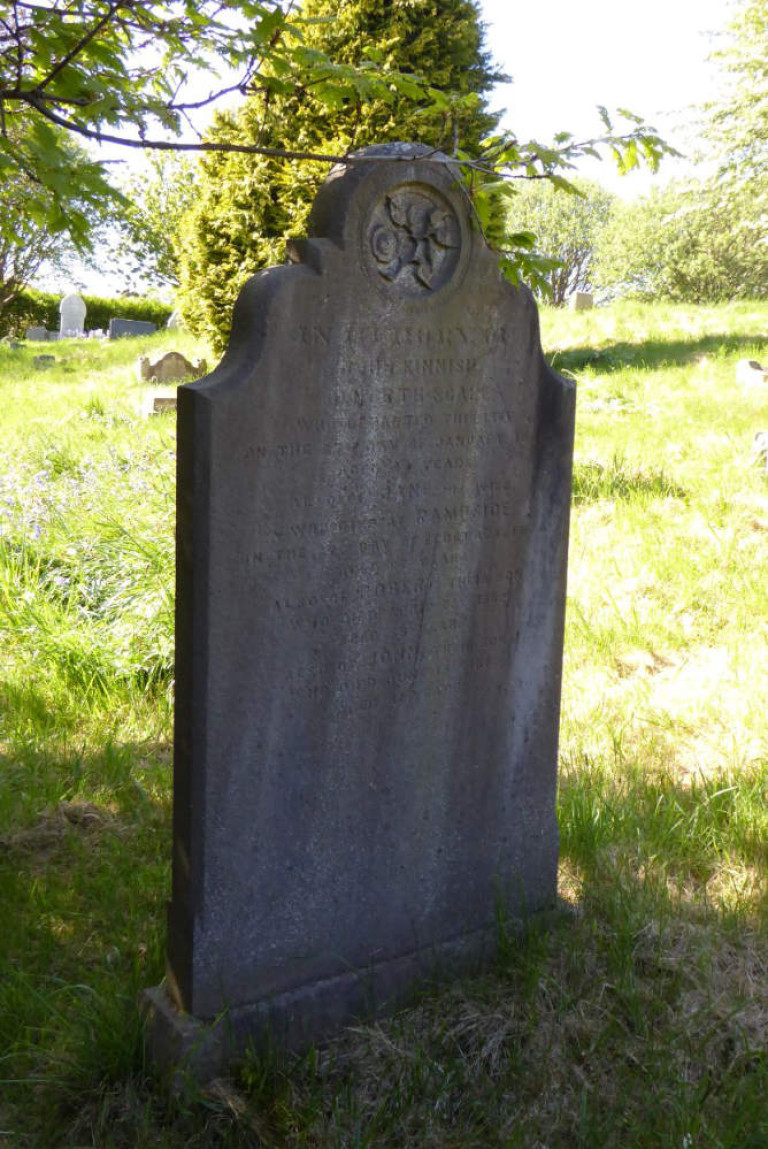
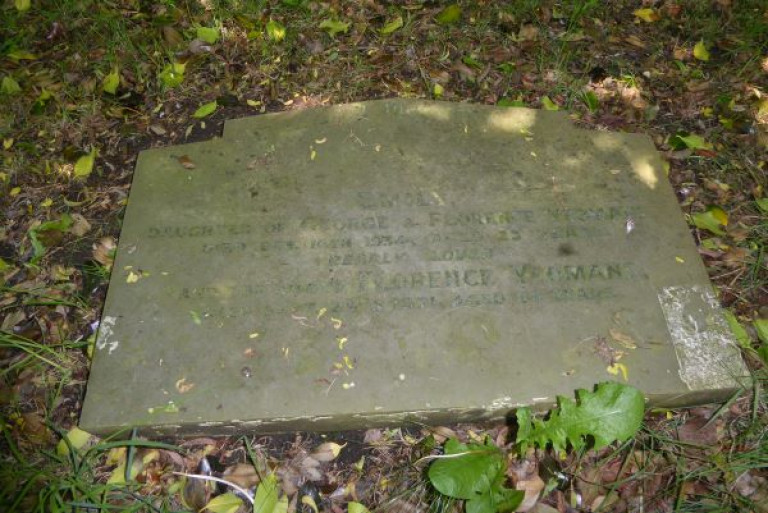
Sgt Wilfred Dobie
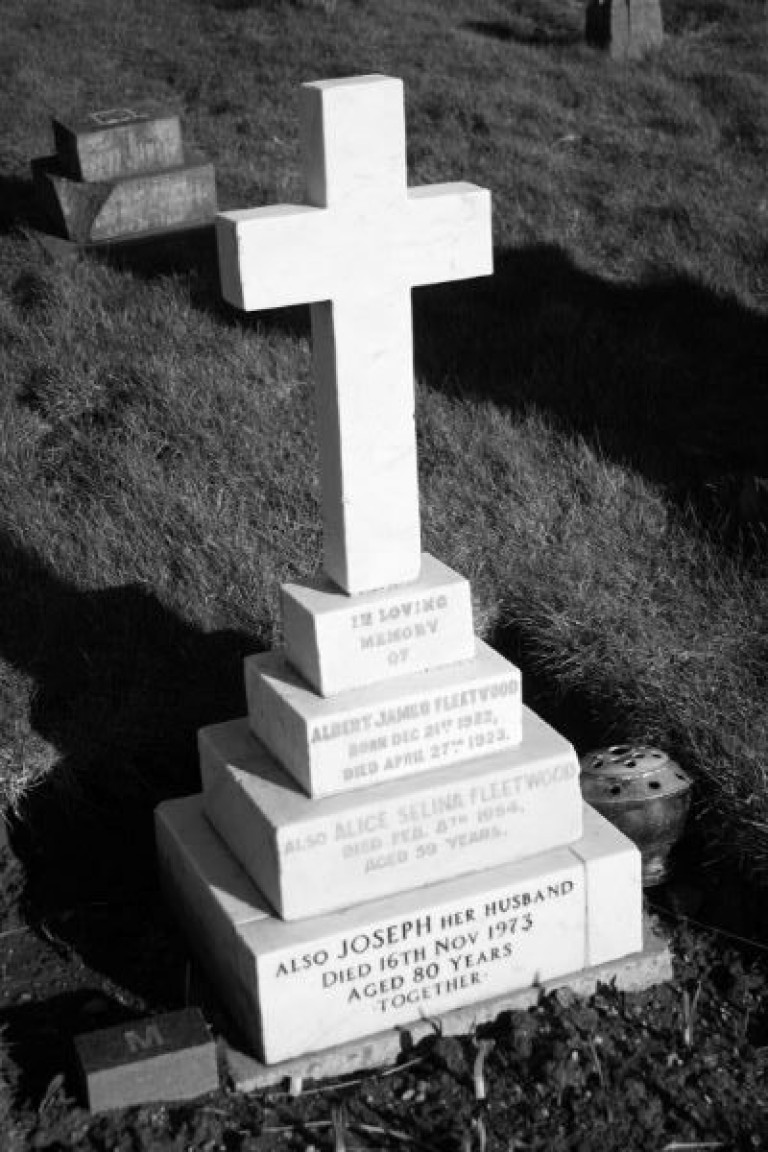
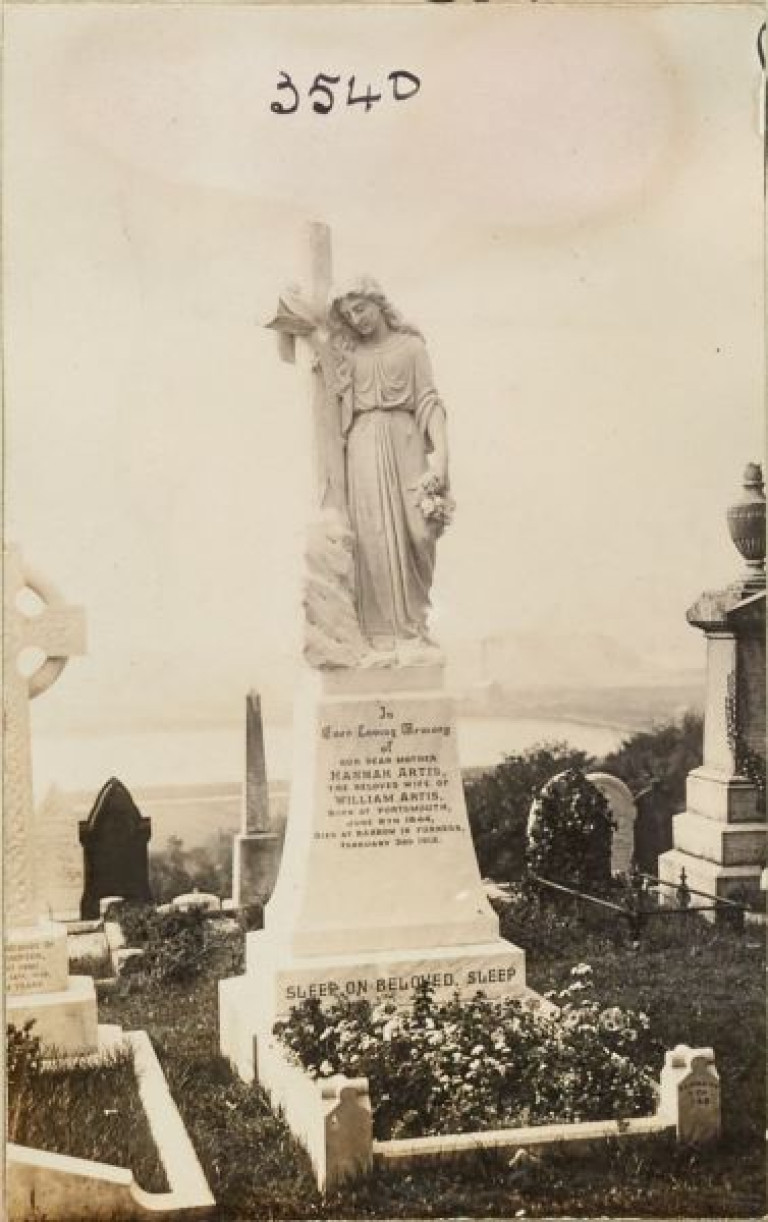
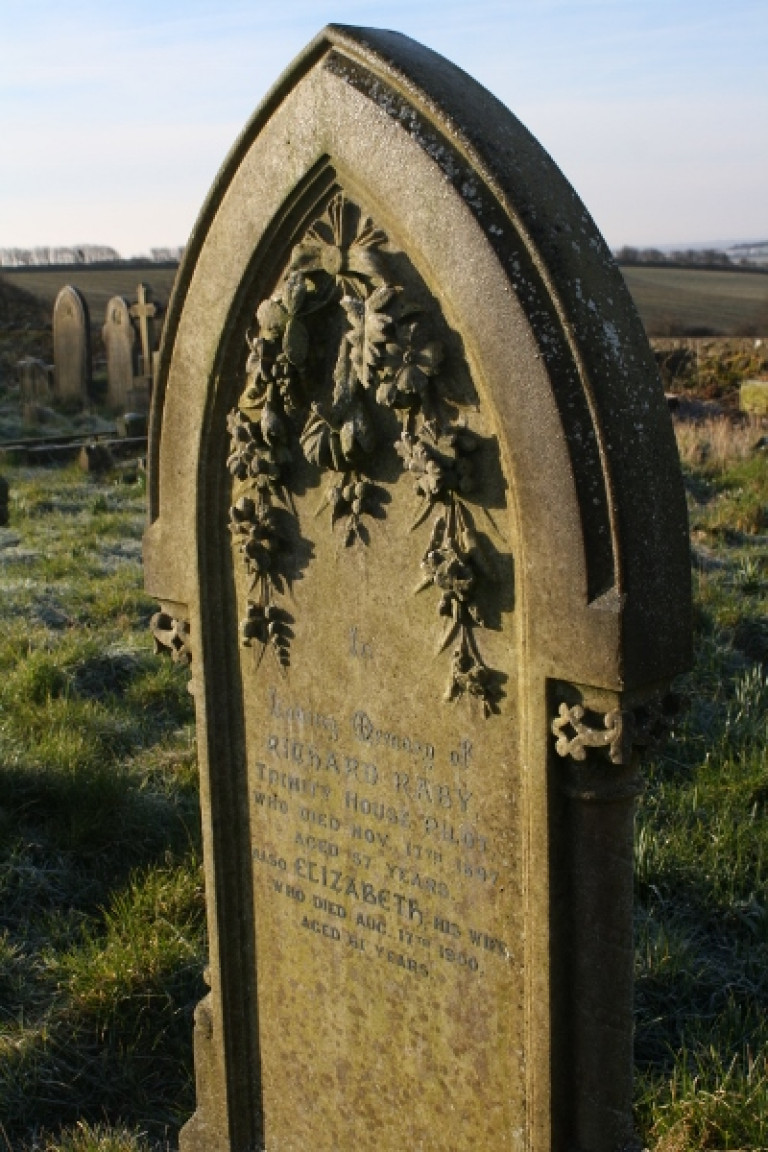
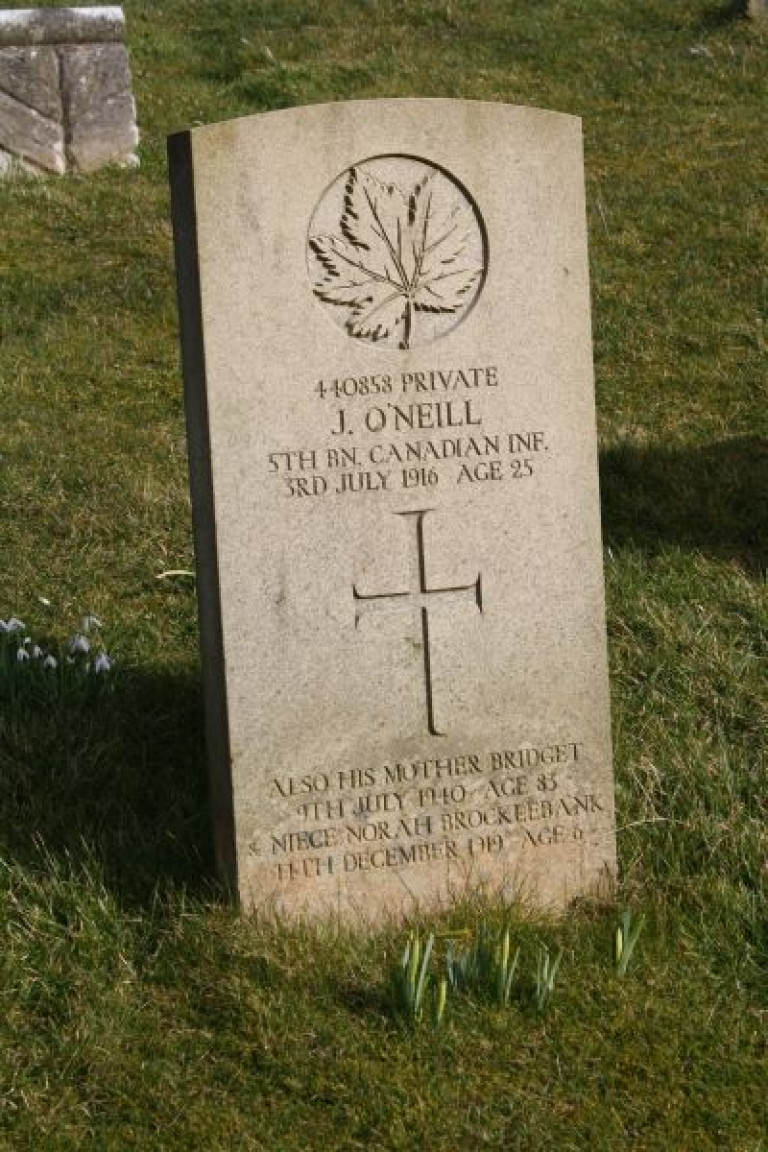
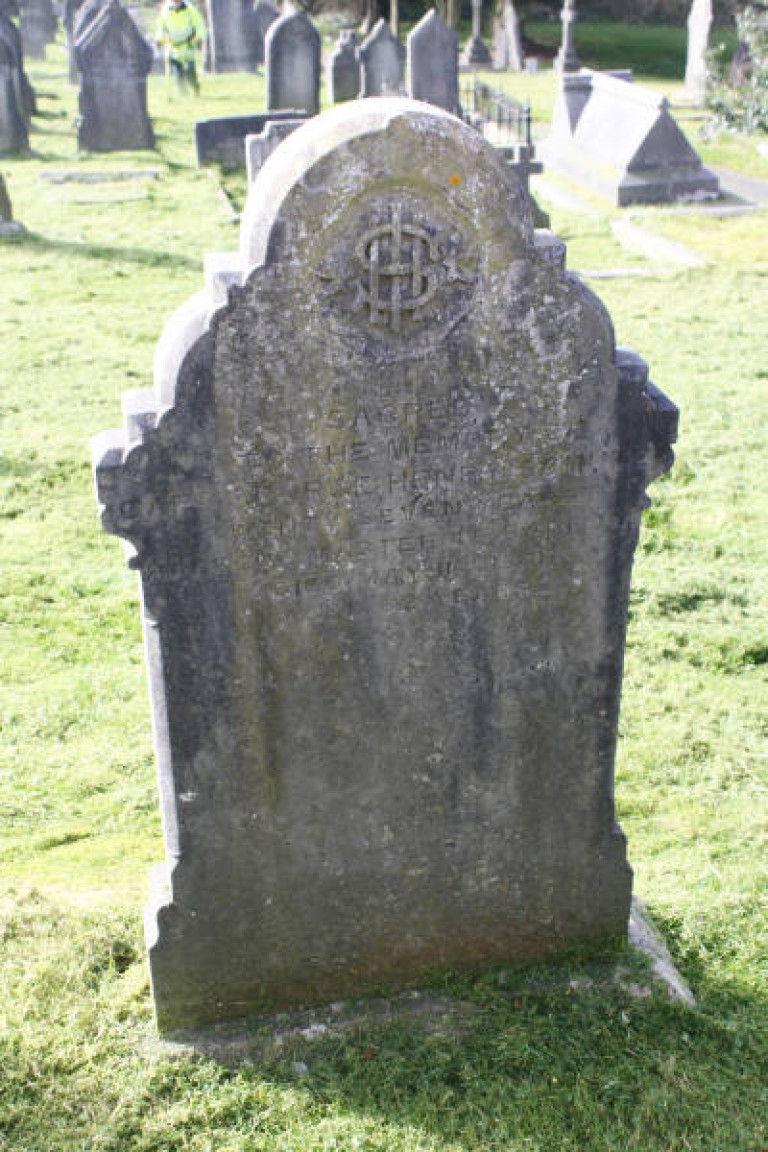
Commemorated on the family grave in Barrow
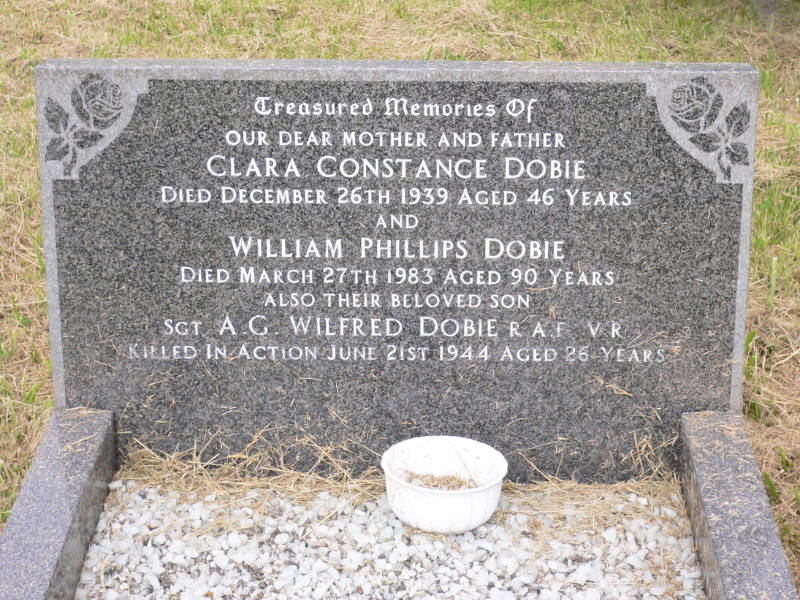
Where is the grave?
After forking left by a hedge having walked up the main drive, follow the contour until you reach narrow paths dropping down from the right. It is on your right near one of these.
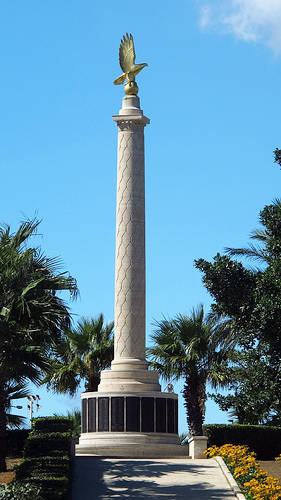
Malta memorial
During discussions where to site a memorial to the airmen of the Commonwealth who died during World War II in the Mediterranean area but who have no known grave, it was felt that Malta was the most suitable choice.
So the matter was put in hand and the Commonwealth Air Forces Memorial in Floriana was the result. It was designed by the architect Sir Hubert Worthington and consists of a column of travertine marble, from the Tivoli area near Rome, fifty feet high, incised with a light reticulated pattern. The column stands on a circular base to which twenty large bronze panels are attached. Nineteen panels display the names of the 2,301 men who sacrificed their lives [Source]:
| Royal Air Force | 1,545 |
| Royal Canadian Air Force | 286 |
| Royal Australian Air Force | 211 |
| Royal New Zealand Air Force | 85 |
| South African Air Force | 171 |
| British Overseas Airways Corp. | 3 |
| --------- | |
| 2301 |
rafcommands.com: (in which a correspondent says that he may have been on Liberator EW139) which leads to bbc.co.uk/history/ww2peopleswar B Flight EW 231 (R for Roger) for Sgt Dobie, though this is not the action in which he was lost.
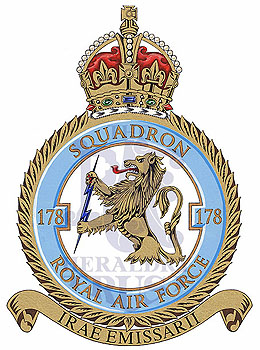
CWGC has: Wilfred DOBIE, 2211347, Sergeant, Royal Air Force (V.R.), 178 Squadron, died 21st June 1944, aged 26 years. Son of William Phillips Dobie and Clara C. Dobie, of Barrow in Furness, Lancashire.
History of 178 Squadron:
No.178 squadron was formed at Shandur on 15 January 1943 from a detachment of No.160 Squadron and began bombing operations with Liberators on the same day. In March, the squadron moved to Libya to attack targets in North Africa, Italy and the Balkans and carried out supply-dropping flights to partisans as far afield as northern Italy and Poland. In March 1944, No.178 moved to Italy where it remained for the rest of the war. In addition to Liberators, Halifaxes were used between May and September 1943, and on returning to Egypt in November 1945, the squadron converted to Lancasters. On 15 April 1946, it was renumbered 70 squadron. [Source]