Reading a Gravestone

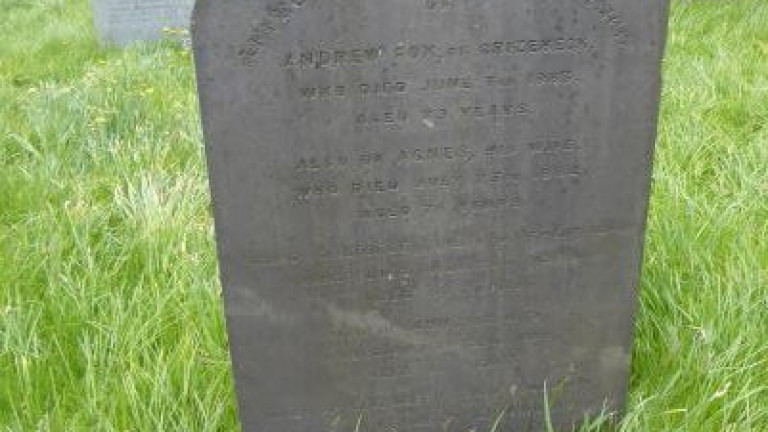
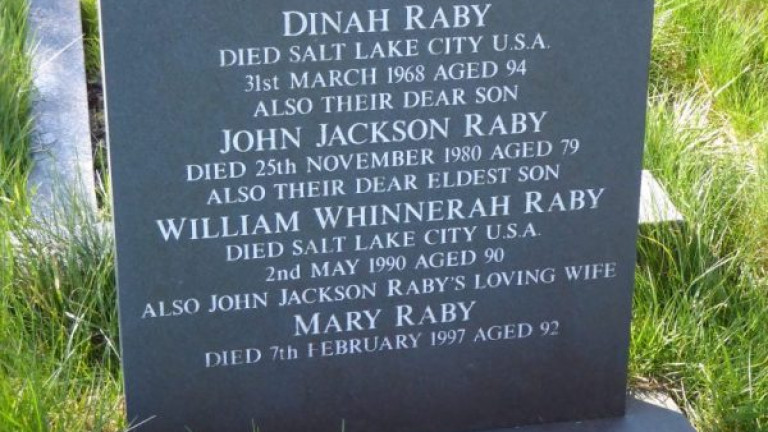
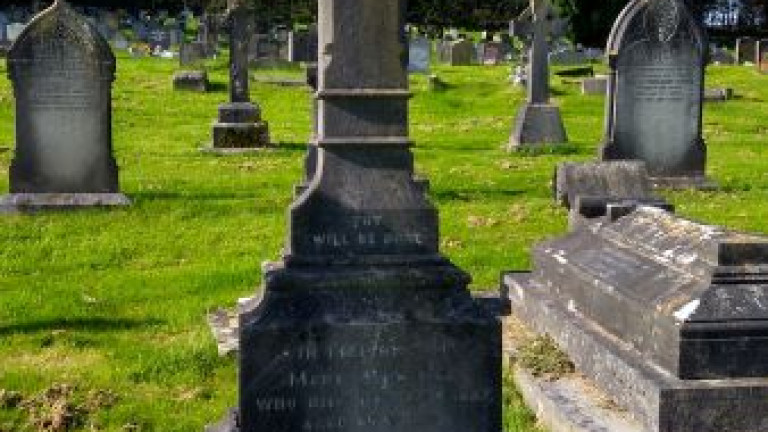
Gravestones vary considerably. Granite, marble, sandstone and (rarely in Barrow) slate are all used, sometimes with the name of the monumental mason or sculptor at the base of the stone. Often of course, there is no headstone because the family could not afford one, or could not agree on its message or style. Large areas of municipal cemeteries, including Barrow and Dalton, and church graveyards, including those at Walney & Ireleth, appear to be empty because of this..

Styles varied over time; some masons were more skilled than others; costs varied according to size and stone; verses included varied in sentiment and sentimentality, and with the growing incidence of cremation the number of traditional gravestones has diminished.

Most of the deaths commemorated on this website occurred between 1750 and 1950; most more recent deaths have been excluded as too sensitive at this time. No doubt many have similar interesting stories and events behind them.

  • Anchor – early Christian symbol signifying hope, steadfastness and eternal life. May be a disguised symbol of the Cross.

  • Angel – symbolic messengers between God and man.

  • Book – symbolising the Bible, faith and knowledge.

  • Clasped hands – signifying farewell, or unity in life and death.

  • Dove – symbol of the Holy Spirit (and more recently, of peace)

  • Draped urn – signifying death.

  • Hourglass – signifies ‘tempus fugit’ – time flies, or a symbol of death, the end of time on earth.

  • IHS – (a) The most common translation is that it stands for the first three letters of Jesus Christ’s name in Greek, iota eta sigma. When capitalised, the word eta appears as ‘H’. (b) IHS can stand for the Latin phrase Iesus Hominum Salvator, or Jesus saviour of mankind. (c) It can also be traced back to an 8th century Latin phrase dn ihs chs rex regnantium which translates to “Jesus Christ is king of kings”. In this instance, IHS simply stands for Jesus, spelt in the Latin as Ihesus.

  • Masonic tools e.g. set square, dividers may indicate masonic membership, or that the person commemorated was a stonemason in life.

  • Obelisk – signifying eternal life

  • Open book – signifying faith.

  • Skull, or skull and crossbones – signifying death.

  • Swags and bunches of flowers e.g. grapes, vine leaves, ears of wheat signifying fruitfulness (fertility and prosperity). Lily of the valley – purity. Ivy – immortality and friendship. Rose – free from sin.

Further information can be found at headstonesymbols.co.uk and stoneletters.com/blog/gravestone-symbols among other sites.