Captain Alfred James Barrow
Died as a prisoner of war

Daily News 1918
3 September 2013
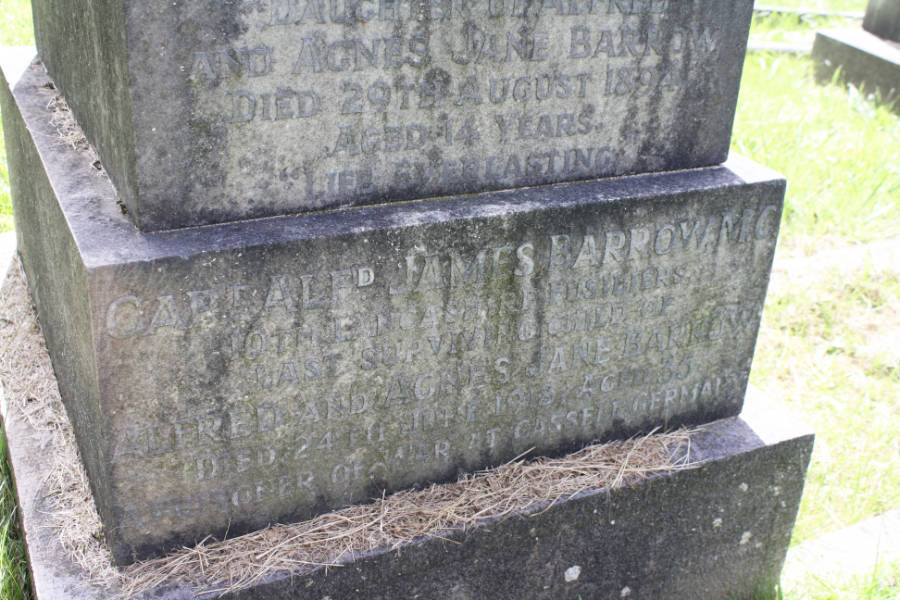
Capt. Alfd. James Barrow M.C. 10th Lancashire Fusiliers
Last surviving child of
Alfred and Agnes Jane Barrow
Died 24th June 1918
Prisoner of war at Cassell, Germany

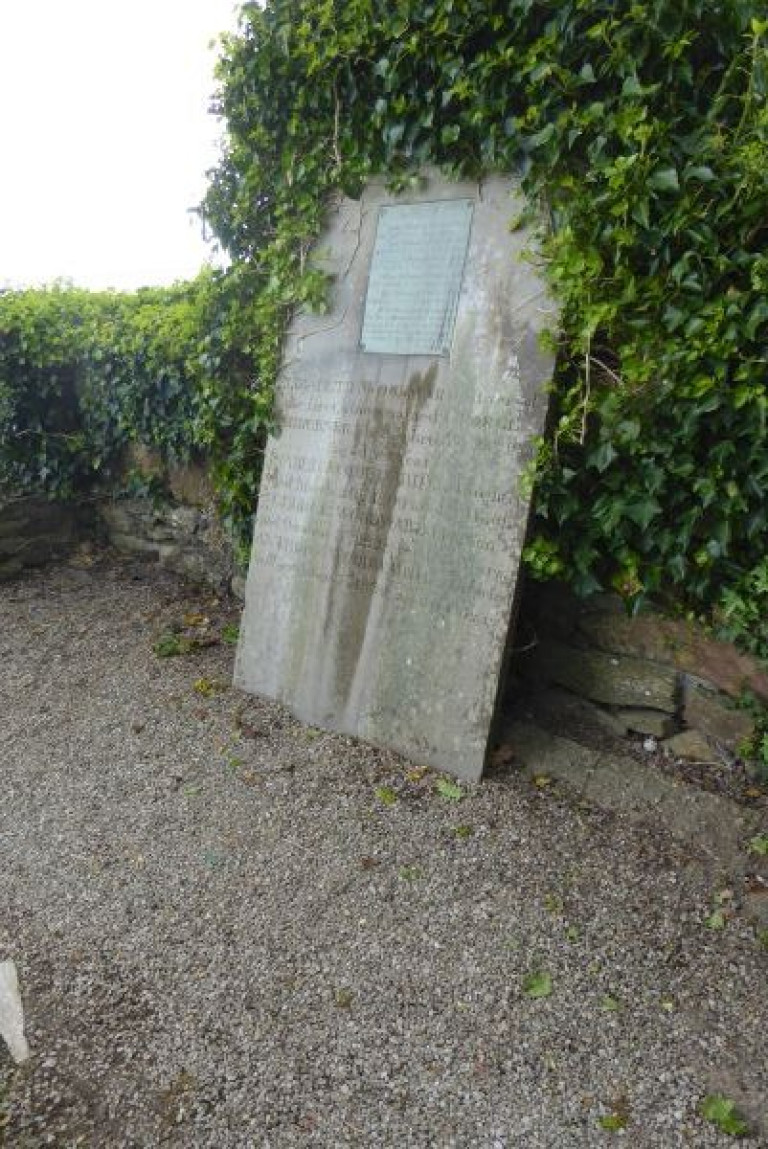
The memorial tablet is in St Matthew’s Church, Barrow.
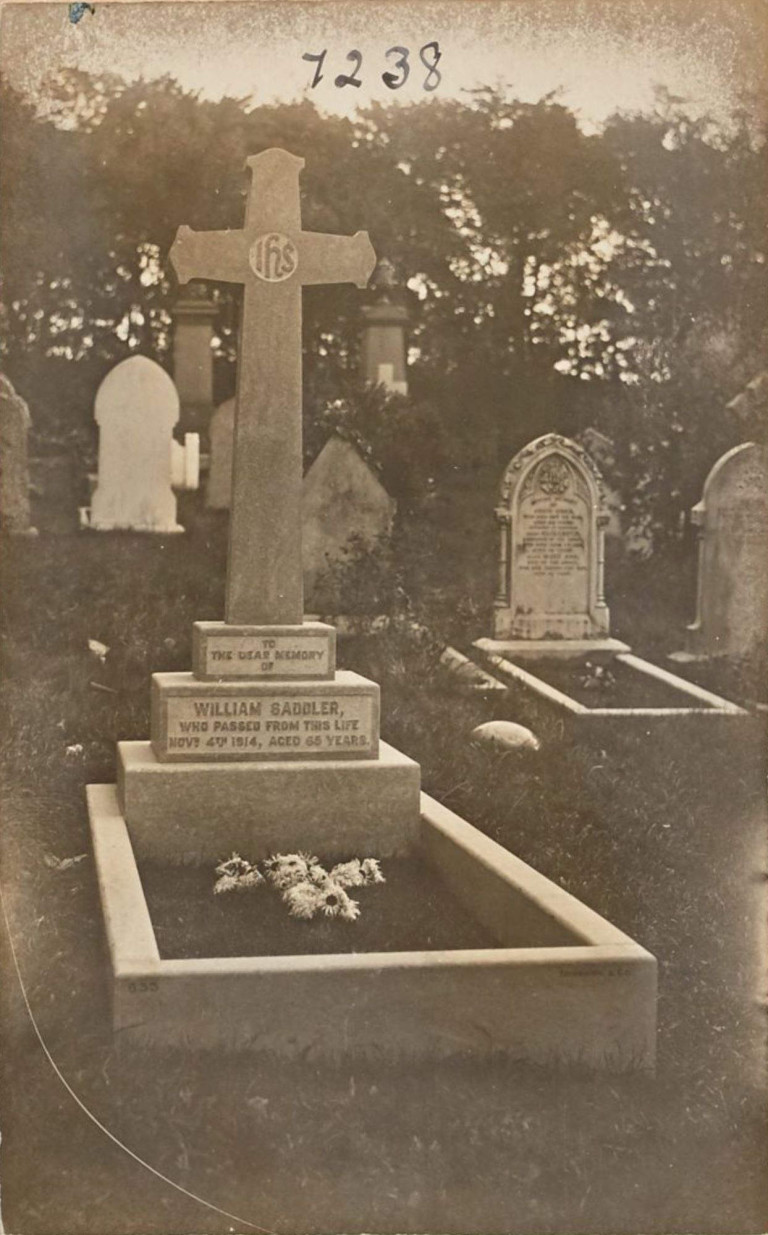
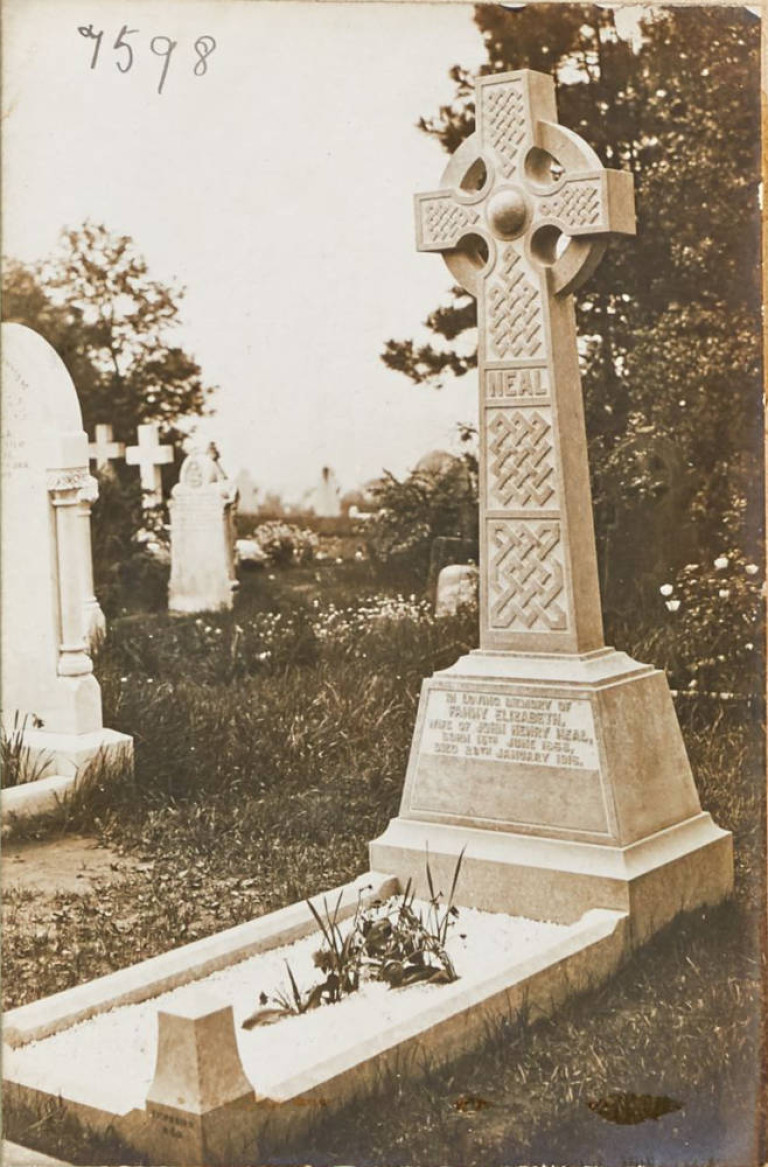
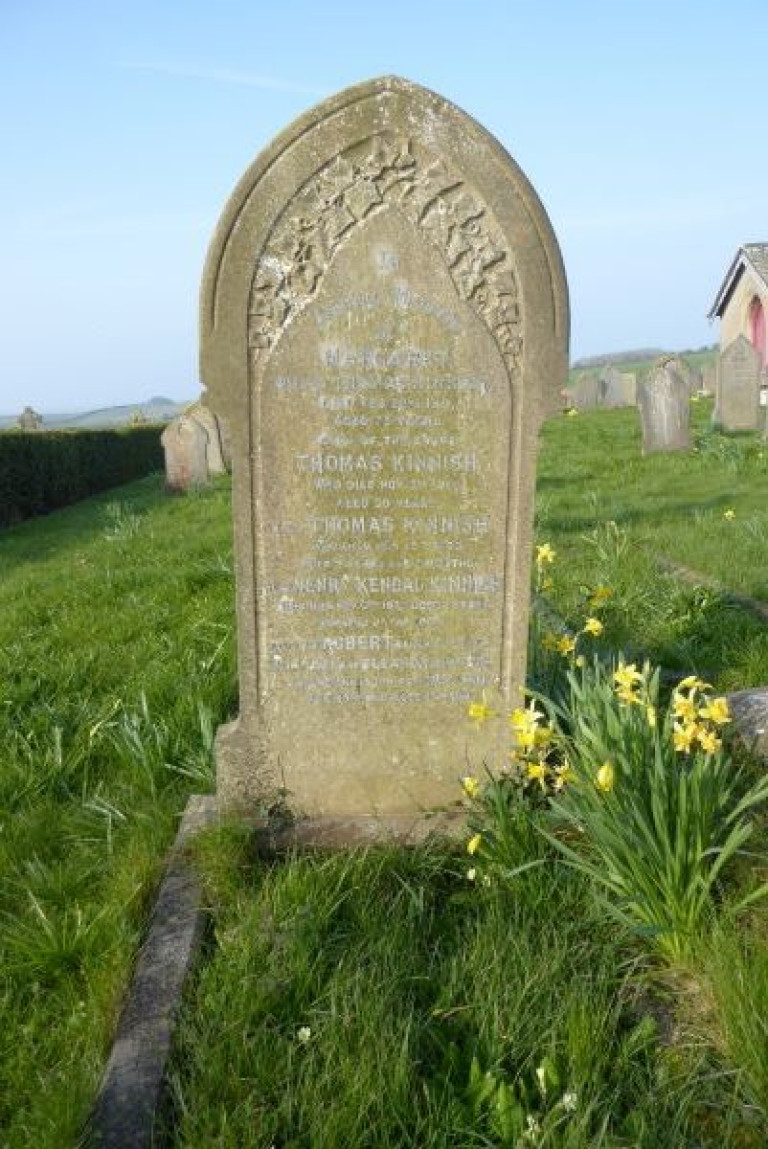
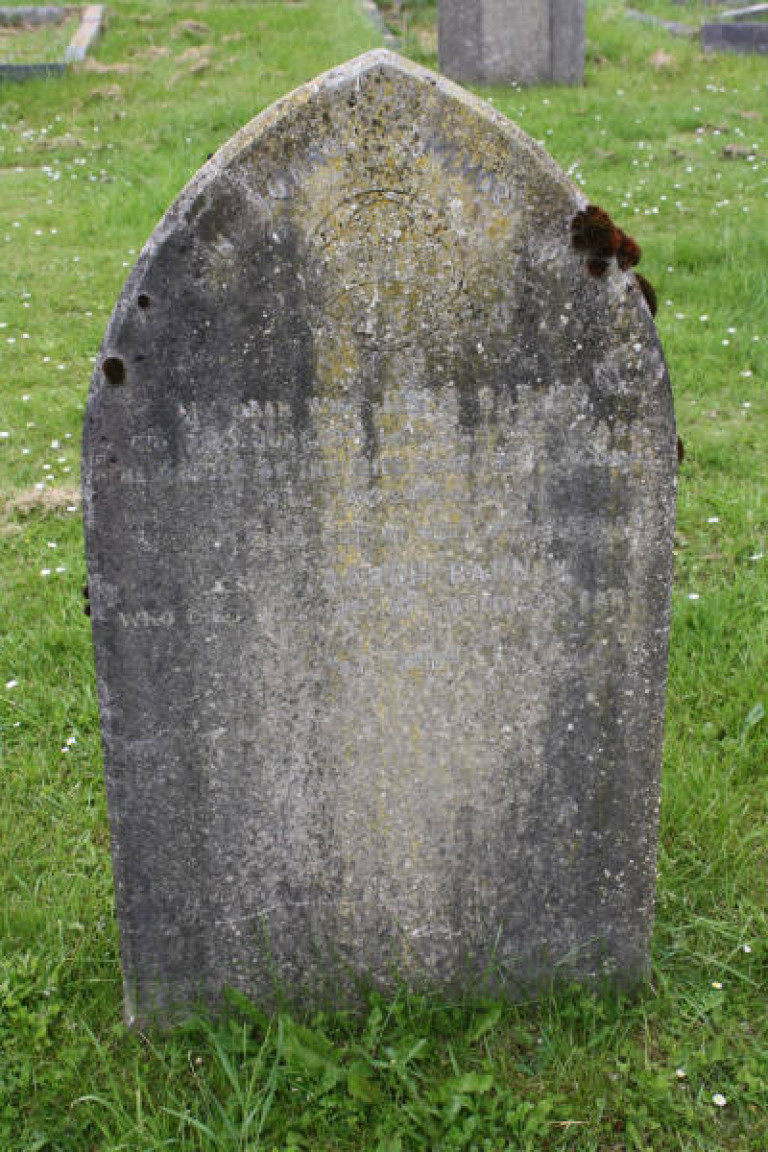
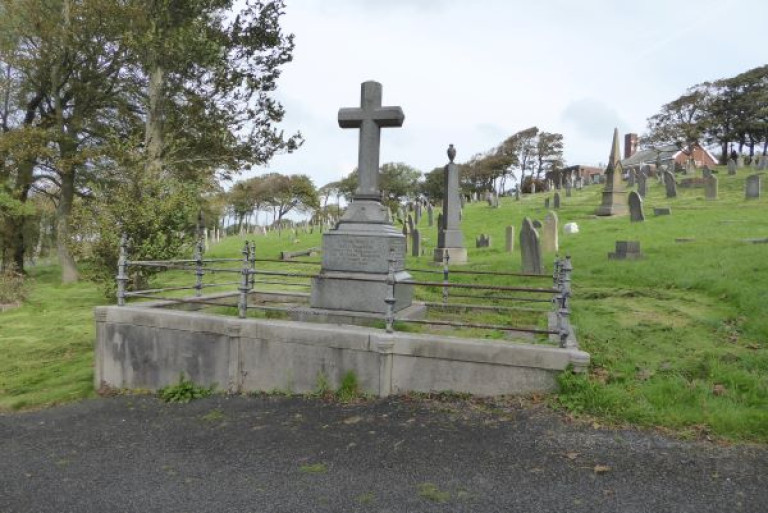
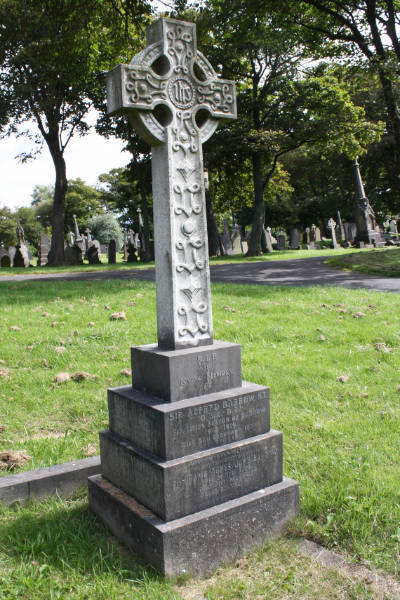
Where is the grave?
From the crematorium car park looking over the cemetery towards the channel, walk down the path to the left. Keep right. Just before the next (small) path on the right the Barrow grave is on the left.
The London Gazette of 17 August 1917 – on the award of the Military CrossT./Lt: (A./Capt.) Alfred James Barrow* Lan. Fus. For conspicuous gallantry and devotion to* duty. During an attack he rallied and led his company into the enemy's trench with great determination, maintaining his position there for half an hour under fire from both flanks. When finally compelled to withdraw he refused to leave his company for several hours, though he had been seriously wounded early in the day. He set a splendid example to all ranks.
The son of the war-time Mayor of Barrow, who later became Sir Alfred Barrow, Capt. Barrow M.C. of the 10th Lancashire Fusiliers is buried at Niederzwehren Cemetery VIII A 2 in Kassel, Hessen, Germany. The CWGC website gives his parents’ address as Ulverscroft, Barrow-in-Furness. This house was on the corner of Prospect Road, and an extension of East Mount which crossed it.
The 10th (Service) Battalion, Lancashire Fusiliers was raised in Bury in September 1914 as part of Kitchener's Second New Army, they joined 52nd Brigade, 17th (Northern) Division. After initial training close to home, the Division moved to Dorset to continue training and then in late May 1915 moved to the Winchester area. The division had been selected for Home Defence duties, but this was reversed and they proceeded to France landing at Boulogne on the 15th of July 1915, concentrating near St Omer. They moved into the Southern Ypres salient for trench familiarisation and then took over the front lines in that area. In the spring of 1916 they were in action at the Bluff, south east of Ypres on the Comines canal then moved south to The Somme seeing action during The Battle of Albert in which the Division captured Fricourt and The Battle of Delville Wood. In 1917 they moved to Arras and saw action in The First and Second Battles of the Scarpe and The Capture of Roeux. In late summer they moved to Flanders and fought in The First and Second Battles of Passchendaele. In 1918 they were in action in The Battle of St Quentin, The Battle of Bapaume, The Battle of Amiens, The Battle of Albert, The Battle of Havrincourt, The Battle of Epehy and The Battle of Cambrai followed by The pursuit to the Selle, The Battle of the Selle and The Battle of the Sambre. At the Armistice the Division was south east of Maubeuge and was quickly withdrawn to the area west of Le Cateau. On the 6th of December they moved back behind Amiens and went to billets around Hallencourt. Demobilisation of the Division began in January 1919. [Source]
The NWDM of Friday 9 August 1918CAPT. BARROW DIES IN GERMANY
We deeply regret to chronicle the death in Germany of Capt. A. J. (Fred.) Barrow, only son of the Mayor and Mayoress of Barrow, to whom the sympathy of the whole of the citizens of this town will be extended. Capt. Barrow was attached to the Lancashire Fusiliers. He was wounded and taken prisoner on March 23rd, and had been in hospital ever since. Eventually his leg was amputated, and the sad news of Capt. Barrow’s death on June 24th comes in a letter from Pte. Thomas Clucas, of the R.A.M.C., a Walney lad, who nursed the deceased officer in hospital. The Mayor has not yet received any official announcement of the death of his gallant son. Capt. Barrow was previously wounded, and had won the Military Cross for heroic service in the field. Prior to joining the Army as a private he was practising as a solicitor in Richmond, Surrey. Capt. Barrow was a very popular and highly esteemed officer, and his end will be deplored by all who knew him.