John Webster Lawn
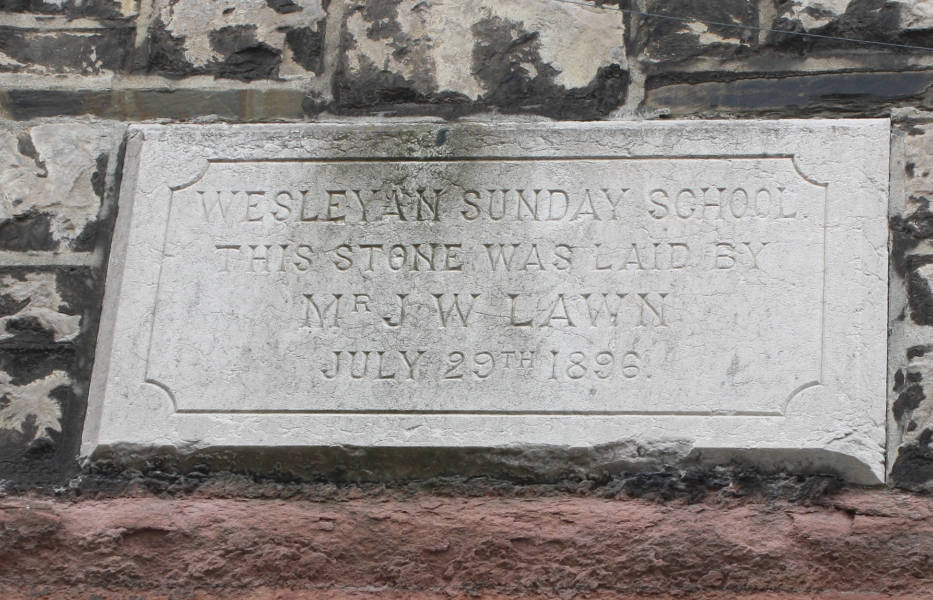
WESLEYAN SUNDAY SCHOOL
THIS STONE WAS LAID BY
MR J. W. LAWN
JULY 29TH 1896
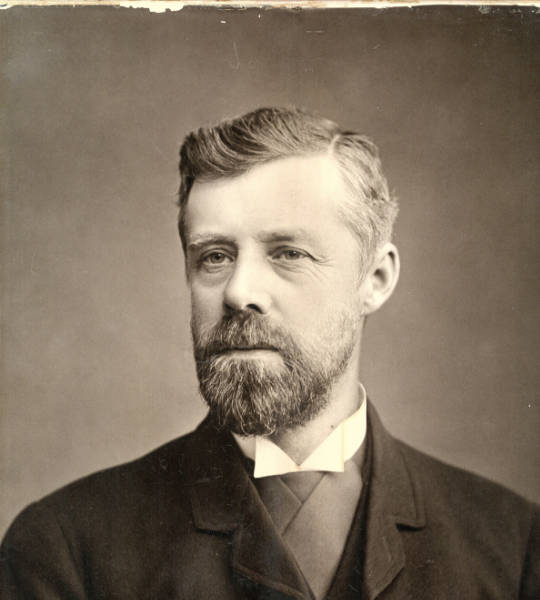
Picture courtesy of Barrow Records Office
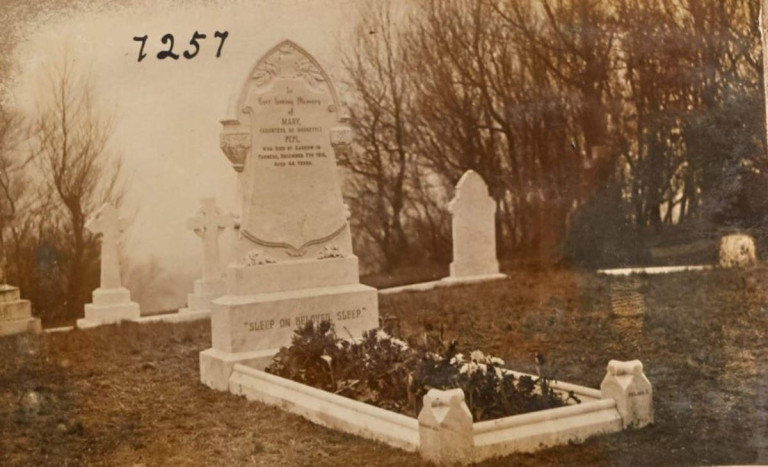
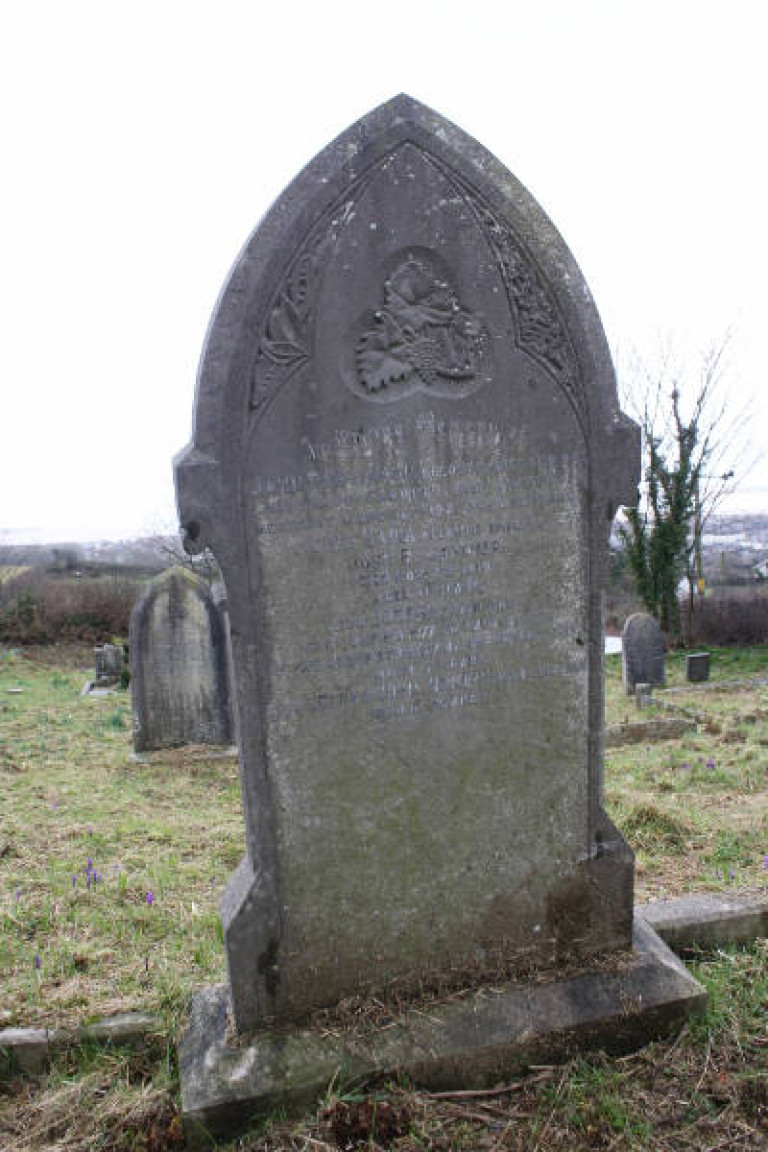
Shovel, Garden, Lawn: Dalton must have been a town of horticulturalists. There is even a gravestone to a Robert Dickinson (d 6 October 1896), paid for by the Horticultural Society.
John Webster Lawn’s death is reported in the Barrow News 3 March 1906:
Barrow News, 3 March 1906DEATH OF MR. J. W. LAWN
AN HONOURABLE CAREER ENDED
Another of the old familiar faces at Dalton has disappeared. Among all the people of the town none was better known, none could have been more respected than Mr. John Webster Lawn, of Fair View; and it was with regret that the announcement was heard yesterday (Friday) that he had passed away at 7 o’clock that morning. He had been in failing health for some two or three years, and as a result was compelled to relinquish the important position of mines manager under the Barrow Hematite Steel Company. After the retirement of the late Mr. Richard Hosking the managership of the mines was vested in Mr. Wm. Kellett, J.P., of Southport, and Mr. Lawn was appointed resident manager. That position he held up to the time of Mr. Kellett’s death, when he was chosen general mines manager. He held the office until January 1904, when his health gave way and he was given six months rest. His health did not improve, however, and at the expiration of the time he felt compelled to resign his position.
As a public man, Mr. Lawn’s services were often sought. He was elected to the Local Board in 1885, and continued to be a member of that body and the Urban Council up to 1904 – a period of nearly 20 years. He held the post of chairman in 1889 and 1890, and was again elected to that seat in 1893, continuing till 1898. As Chairman of the Urban Council, he sat as a magistrate (the first working man J. P.) on the Ulverston bench for four years. The flag at the council offices in Station-road is flying half-mast. He was also connected with the old Burial Board and the Gas Committee, and was an overseer. At public meetings, concerts and the like, his services were generously given. In politics he was a Liberal, but took no active part except on the temperance question, being a strong Alliance man [Source]. To say that he was respected by his fellow townsmen is to very feebly express the feelings of those who knew him best. He adorned every position he occupied, whether in public, social, or religious life, and was a very valuable person. Out of his means he rendered assistance to every cause so far as lay in his power. Mr. Lawn was an earnest Wesleyan Methodist, a class leader and local preacher for many years. He spent his leisure in preparation for his pulpit work and for religious engagements. His services were much appreciated wherever he went, and especially in the Barrow, Ulverston and Millom circuits. He knew Methodism in these parts from the earliest days, and took an active part in its rise and progress throughout the towns and villages of the district. Mr. Lawn leaves a widow and three children, including Professor James G. Lawn, mining expert, of Johannesburg, South Africa.
The interment is fixed for to-morrow (Sunday).
Barrow News 10 March 1906 had a lengthy report of the funeral, including the following:-
Barrow News, 10 March 1906Following the remains of their late chief at the Park, Stank and the Whitriggs mines, were scores and scores of miners and other workmen, from captains to workmen and youth in the lower ranks of the employees at the mines.
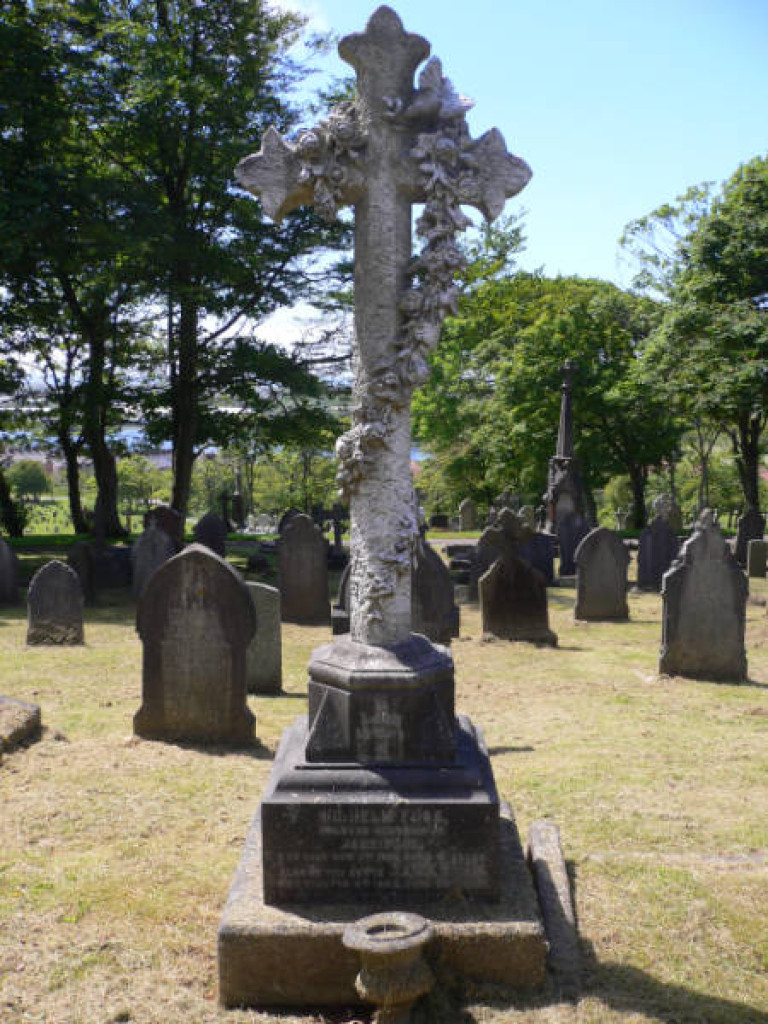
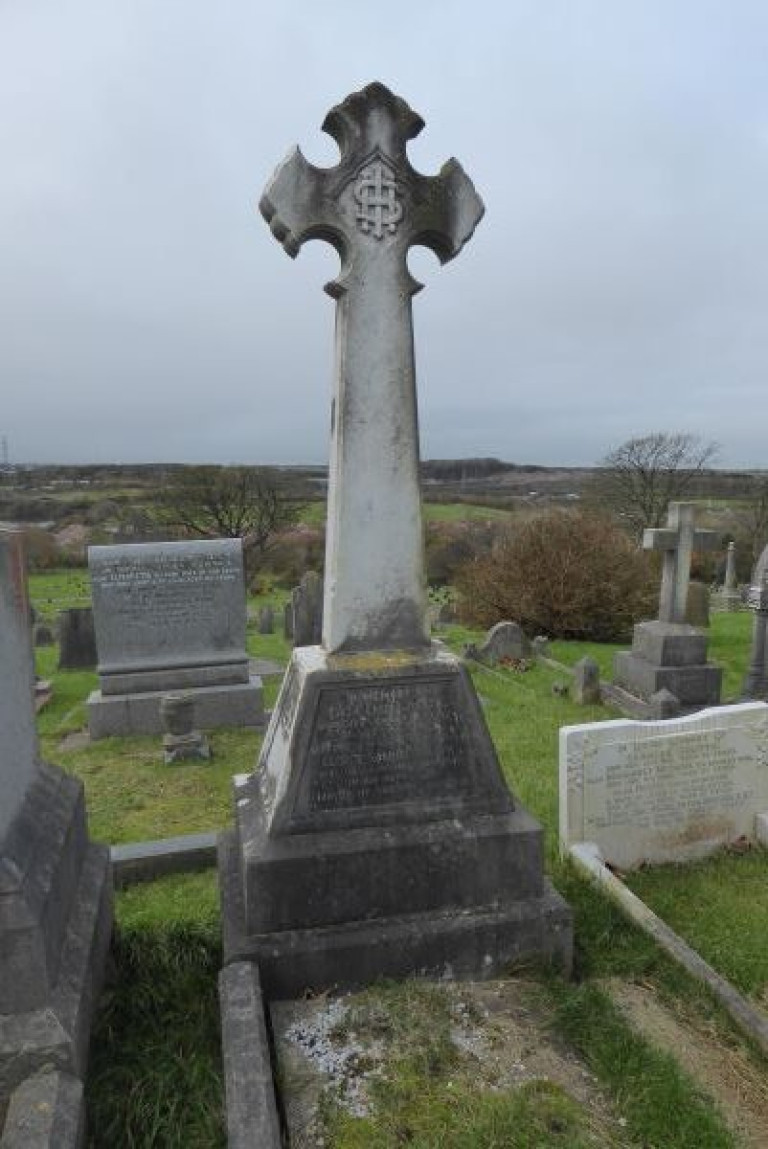
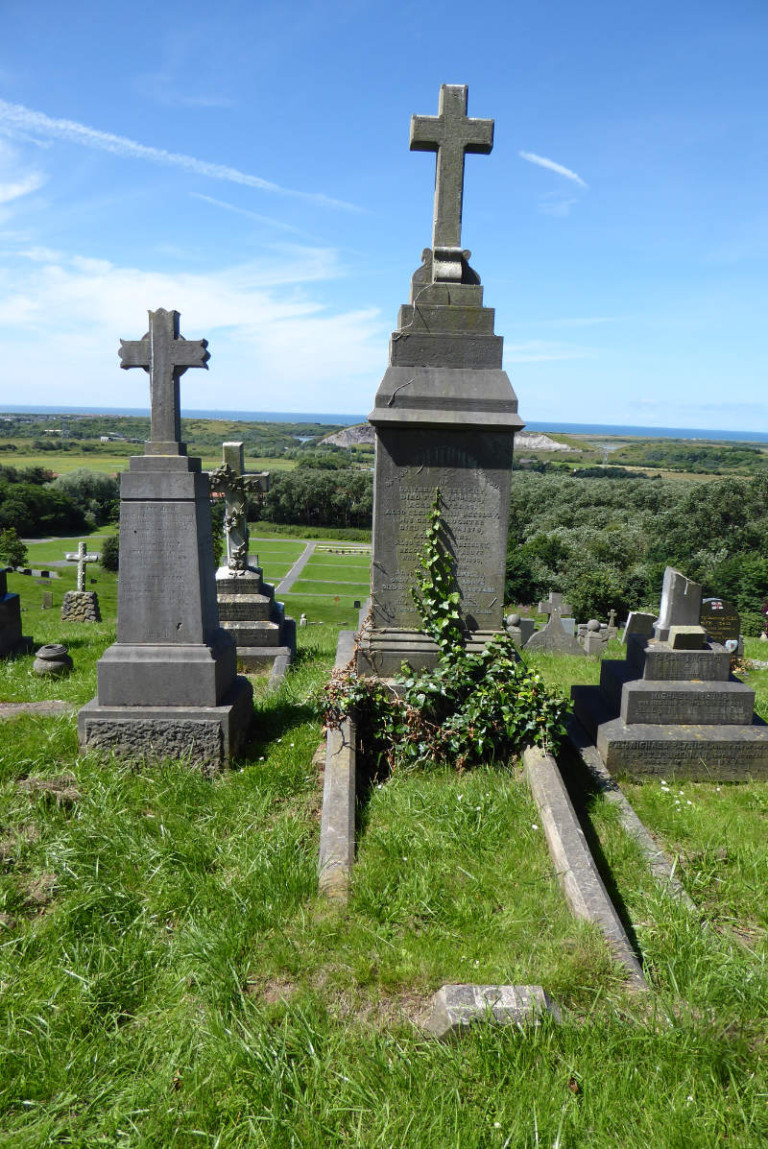
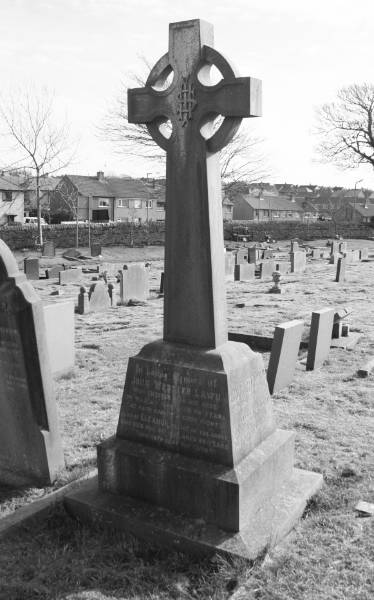
His daughters. Ada Elizabeth and Emily, share a grave just to the rear of their father’s. There is a David Lawn further west, near the South Chapel.