Able-Seaman Frank Leonard
Washed up on Walney

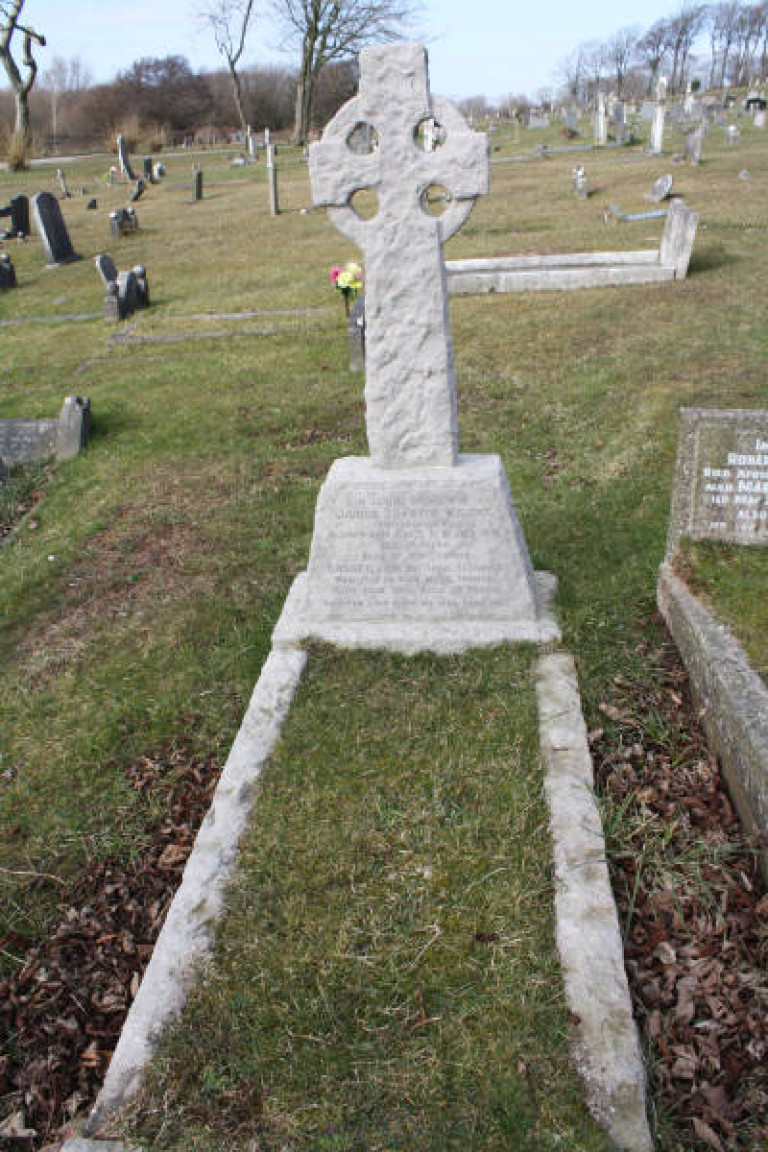
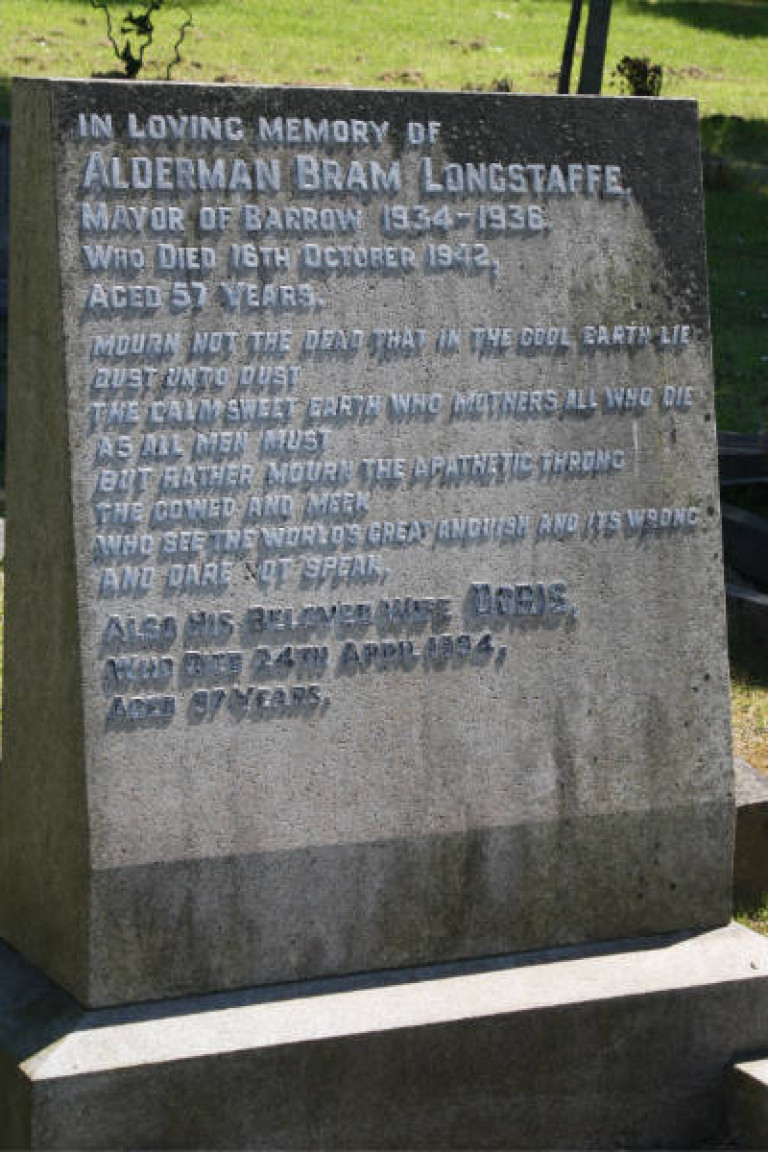
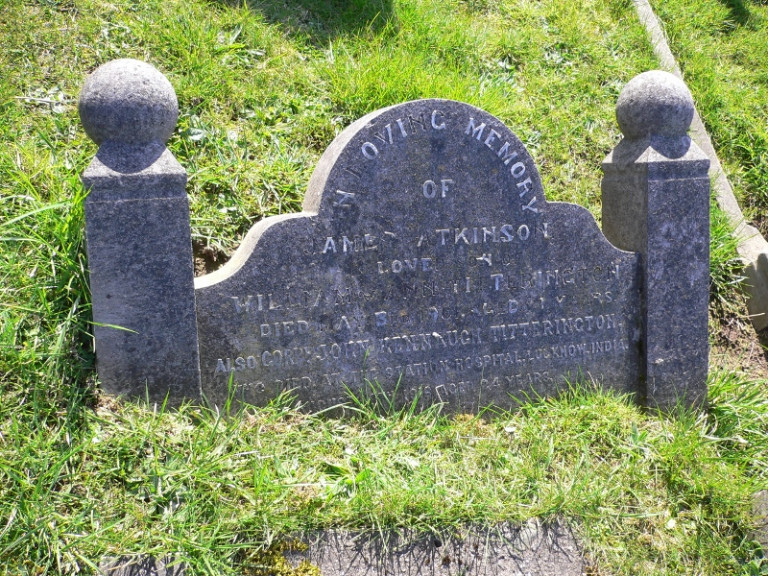
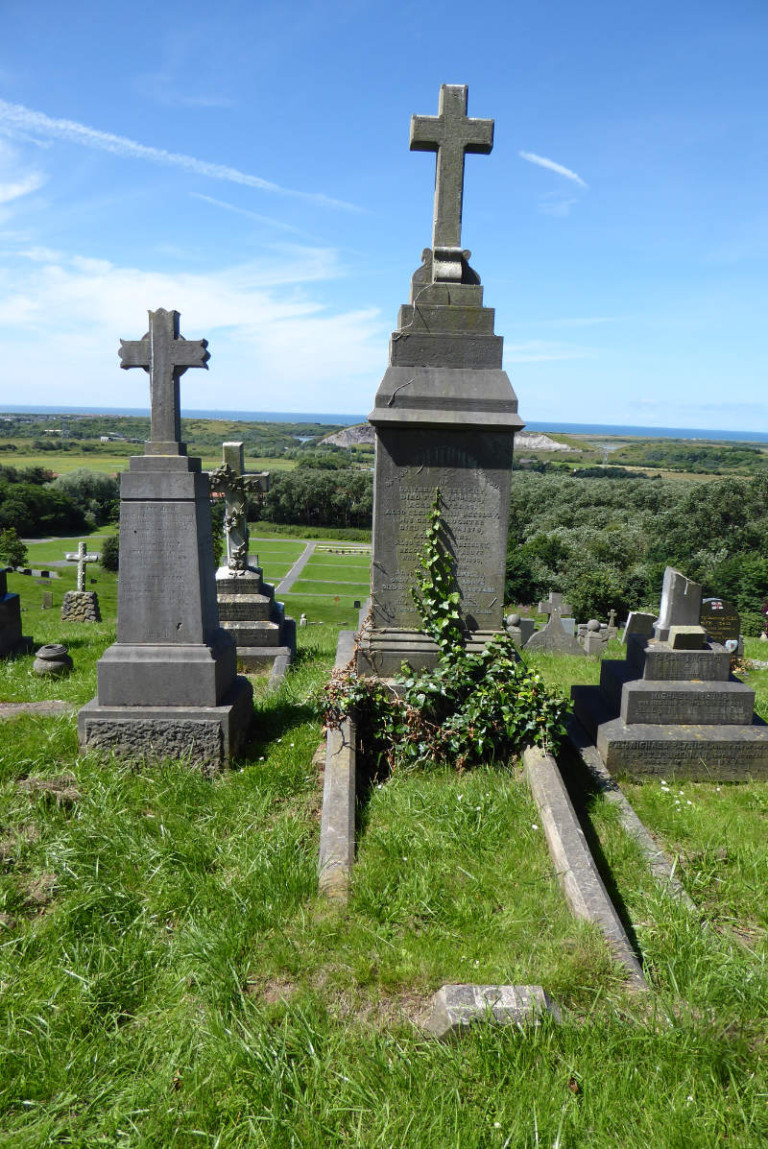
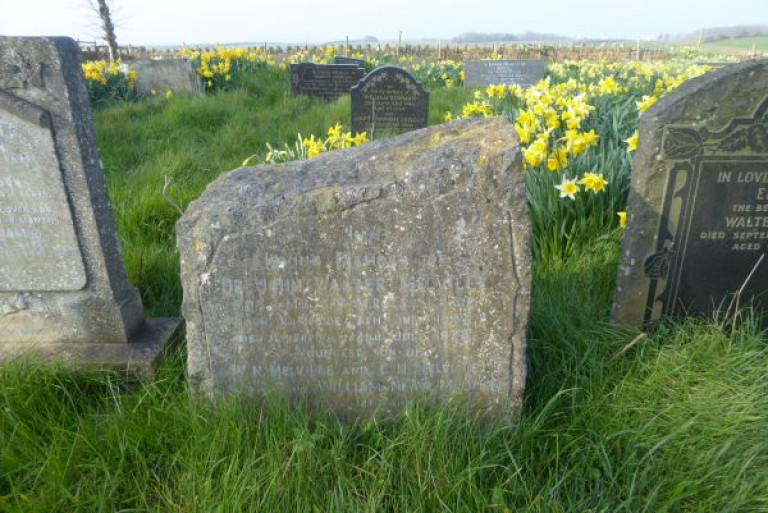
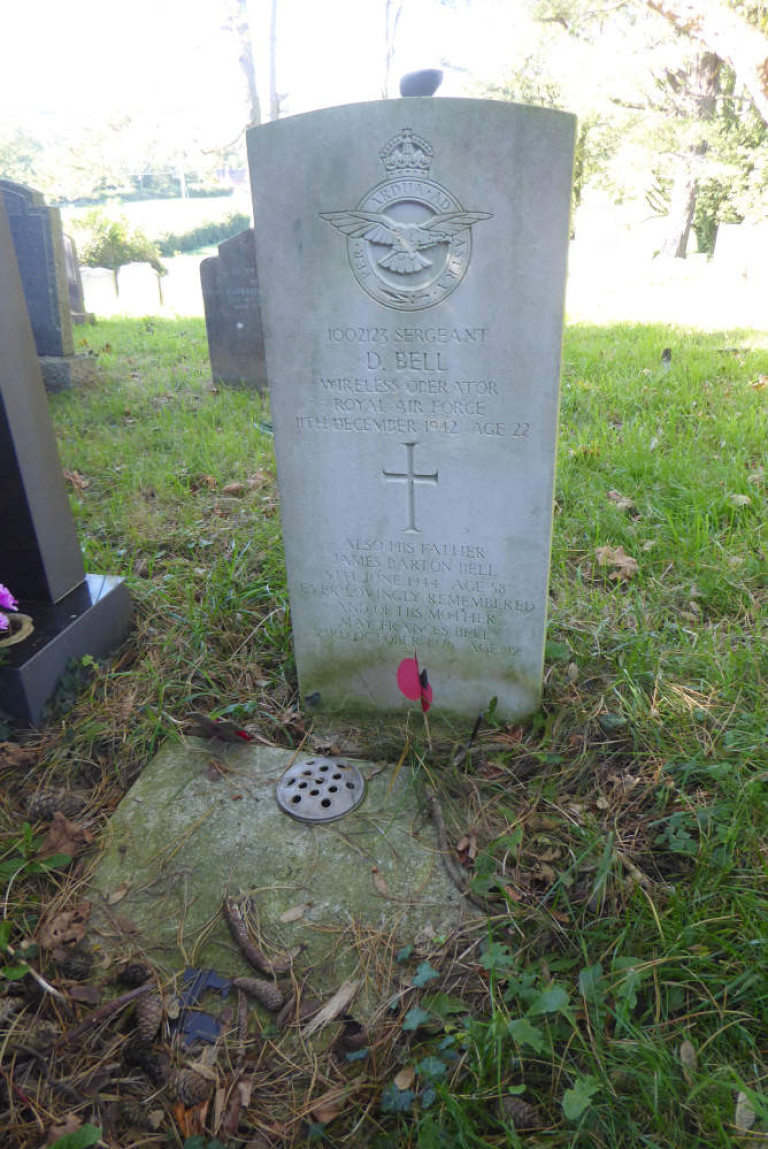
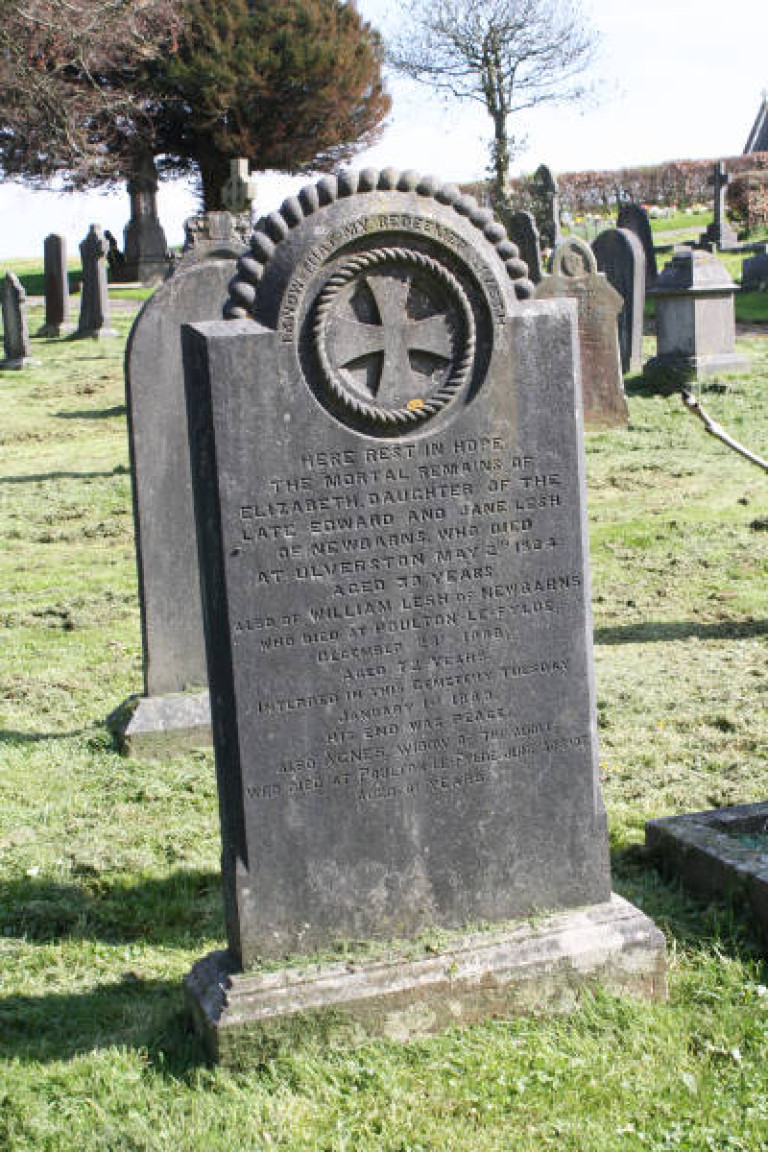
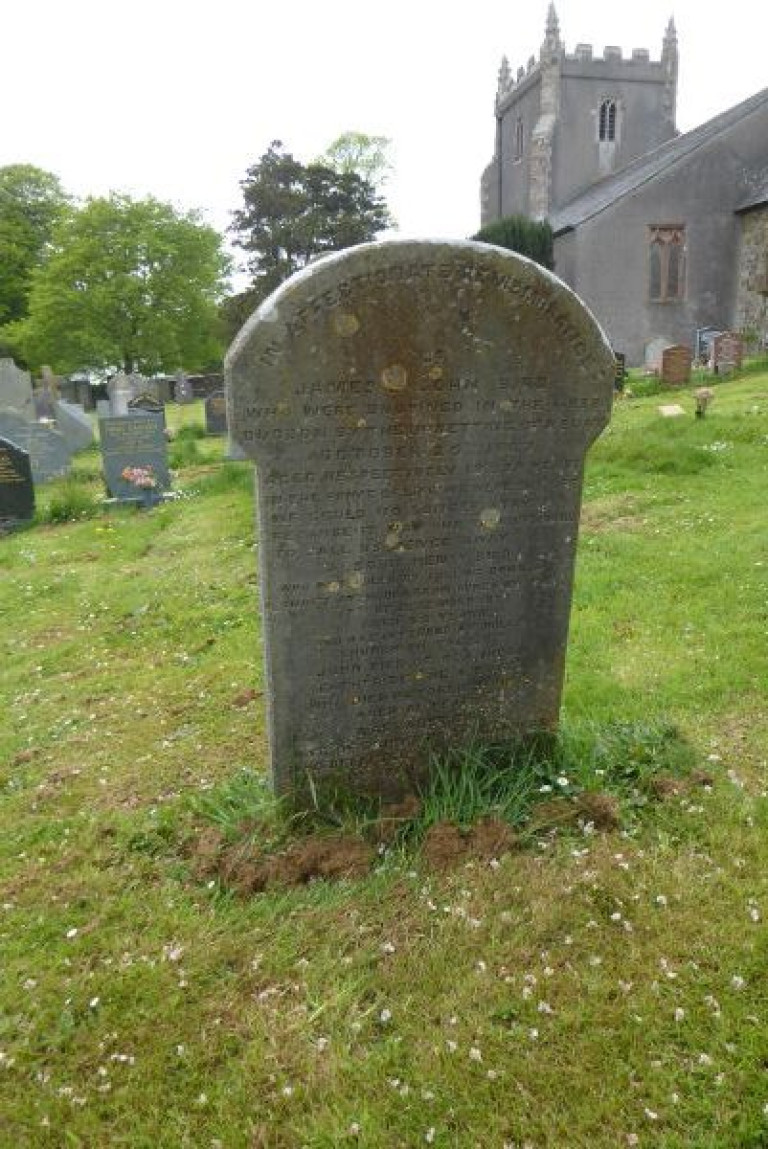
Where is the grave?
In a row of WW1 graves below and to the left of the Catholic Chapel when looking over the cemetery.
uboat.net/wwi/ships_hit/1208.htmlHMS Champagne was an armed merchant cruiser, built 1895 in Belfast by Harland & Wolff, and owned in peace-time by the Pacific Steam Navigation Company, Liverpool. She was sunk 8 miles south-west of the Calf of Man. Her captain reported: "I regret to report the loss of HMS CHAMPAGNE torpedoed by enemy submarine in the following circumstances. On the 9th October at 6.10 a.m., mean course N 21deg E (mag) zig-zagging, Lat 54.17' N, Long 5.10' W, speed 13 kts, the ship was struck by a torpedo in the engine-room the starboard side. The lookout at the starboard after gun saw a periscope and gave the order "Close up", we were struck by the torpedo almost instantaneously, and the periscope disappeared. Ship's company automatically went to action stations - the leading torpedo man put the depth charges to safe and reported to me, the confidential books were locked up in the steel safes by the decoding Officers and other confidential papers destroyed. All steam was cut off by the explosion. I believe the Engineer Officer of the watch was blown to pieces and there were several other casualties in the engine-room. ......... The main engines were stopped by the explosion, and we could not go astern, but the ship lost way almost at once, the wind was WNW Magnetic, squally, force 5 to 7, sea state 6. The 1st Lieutenant asked me to give the order to abandon ship, I said "No, not yet, as the ship may float for a considerable time, and we may bag the submarine if he comes up". Almost immediately after this there was a second explosion on the port side in the forepart of the after welldeck. I at once gave the order "Abandon ship"; up to this time not a single gripe had been cast off, nor any attempt made to go to the boats. The ship remained on an even keel but began to settle rapidly. The boats, with the exception of the collapsibles, were got away smartly, although difficulty was experienced owing to the rough sea. Four men Oliver Ward, AB, RNVR, AB Ryan RNVR, LS Watkins RNR and LS W. Cox RNR volunteered to remain by foremost pair of guns. Ward saw a submarine come to the surface about 300 to 400 yards away on the port beam. The port foremost 6" gun was fired at once, projectile apparently went just over. The submarine at once dived and the gun was reloaded and a tube inserted. These men remained by their gun and I regret to say that Cox was the only one who was picked up." He then goes on to explain the difficulty in getting the collapsible boats over the side with no steam available. At 6.30 a third torpedo struck the ship which broke her in two and the boats experienced difficulty in picking up men out of the water. Two boats sailed to the Isle of Man and others were later towed there by trawlers. Captain Brown considered the casualties to have been 5 officers and 53 men missing out of a complement of 305. He finishes up: "The ship went down with a portion of her guns manned and ready to fire and traditions of the Service were upheld. At the time of the attack we were going as fast as we could keep up, lookouts were stationed all round the ship and were alert. We had no escort. [Source]
The Barrow News 3 November 1917 reported:
Barrow News, 3 November 1917FOUND DROWNED AT WALNEY
SEAMAN’S BODY WASHED UP
A verdict of ‘Found drowned’ was returned at an inquest held at the Police Court, on Saturday morning, concerning the death of Frank Leonard, address, London, whose dead body was discovered on the foreshore at the south end of Biggar Bank on Friday morning.
Mr. James Richardson, New Inn, Biggar, said he saw a body on the shore at 9.00a.m., and gave information to the police.
Sergt. W. Thorburn, South Lancs, said whilst on duty he saw the body of deceased about 5 or 10 yards below high water. On deceased he found 5s 3d in silver, and a disc bearing the name Frank Leonard, London, Z 4241, R.N. div., Pres (Pres, it is thought, stood for Presbyterian, deceased’s religion). Witness got a fatigue party and took the body back to camp.
A verdict as above was recorded.
NAVAL FUNERAL FOR DECEASED
On Tuesday afternoon the body of the late Frank Leonard, who was found washed up at Biggar Bank, was interred in the Barrow Cemetery with naval honours. A detachment of officers and men from the local naval depot attended and the coffin was wrapped in the Union Jack. A number of beautiful wreaths including those from officers and men of H. M. Navy were also placed on the coffin. Mr. and Mrs. Leonard, the parents of the deceased, attended, and were deeply grateful to the naval men for the respect shown to their departed son. Mr. Leonard, the father, is connected with the Reigate police, and had three other sons serving in the Navy. The deceased was the youngest son, aged 19, and had previously been on a ship that was torpedoed, but was on that occasion saved.
The body of another seaman, washed ashore at Barrow had not been identified, and the naval authorities have undertaken the burial. (He is buried next to A/B Leonard)